1. Historical Teaching Service—AllCPR Instructor Joseph Completes Zero-Gravity CPR Training for Astronauts
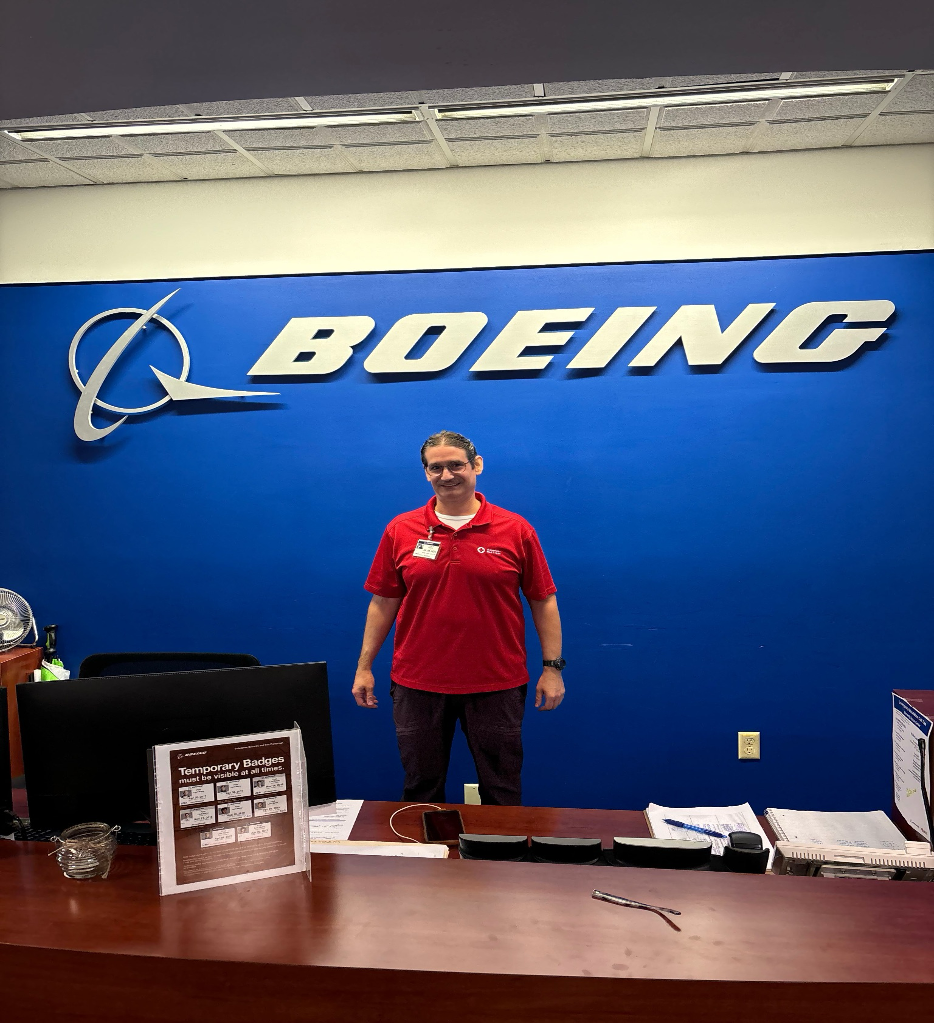
On July 8, 2024, AllCPR instructor Joseph Lauletta provided specialized CPR and BLS emergency training for astronauts at NASA’s Cape Canaveral. The training was a resounding success. Joseph is an American Red Cross certified instructor, an ALLCPR emergency training center instructor (www.allcpr.org), and a candidate for the ICCPRA 2024 Person of the Year (www.iccpra.org).
2. Professionalism through Dedication—Joseph’s Teaching Insights
Joseph is renowned for his expertise and dedication in the field of CPR and emergency education. He was thrilled by this unprecedented challenge. “It’s an incredible honor to teach astronauts how to perform CPR and emergency procedures in a zero-gravity environment,” he shared. “I look forward to adapting our training methods to suit the unique conditions of space.”
Teaching CPR in a zero-gravity environment presents a series of unique challenges. Traditional CPR methods rely on gravity to assist chest compressions, necessitating innovative approaches to adapt to space conditions. Joseph has received advice from experienced colleagues, suggesting astronauts practice CPR on a bed and use restraint devices to simulate the effects of zero gravity.
3. Steps for Performing CPR in Zero Gravity—A Historic Breakthrough in CPR Teaching
- Position the Patient: Ensure the patient is secured on a bed or stable surface to prevent drifting.
- Ensure Your Own Safety: Use restraint devices to secure yourself in place, ensuring continuous pressure application.
- Chest Compressions: Use the heel of your hand to perform chest compressions, maintaining a stable rhythm and pressure.
- Rescue Breaths: When providing rescue breaths, create a proper seal over the patient’s mouth.
- Monitor and Adjust: Continuously monitor the patient’s response and make necessary adjustments to maintain effective compressions and breaths.
NASA’s decision to incorporate comprehensive CPR and emergency training into astronaut preparation highlights the agency’s commitment to crew safety and readiness for any medical emergencies that may arise during missions. The skills Joseph imparts are crucial for ensuring the health and safety of astronauts as they explore the vast and unpredictable depths of space.
As Joseph prepared for this extraordinary teaching task, he remained open to suggestions and insights for effectively teaching CPR in a zero-gravity environment. His willingness to learn and adapt demonstrates the collaborative spirit necessary to address the unique challenges of space exploration.
4. ICCPRA First Aid Community Alliance—Serving CPR, Serving the Community
The ICCPRA community is proud of Joseph’s achievements and wishes him success in this extraordinary mission. His dedication and innovative methods in CPR training will undoubtedly enhance the safety and preparedness of NASA astronauts.
ALLCPR training centers are located across various states in the U.S., specializing in providing CPR, BLS, and AED training to communities. ICCPRA helps each CPR center establish community first aid volunteer teams, serving the community’s emergency response needs.
For those interested in finding American Red Cross CPR courses near San Jose, American Heart Association BLS certification, or more information, please visit our websites (www.allcpr.org, www.iccpra.org).